
Professor Sarah Knott appointed Oxford Chair in Women’s History
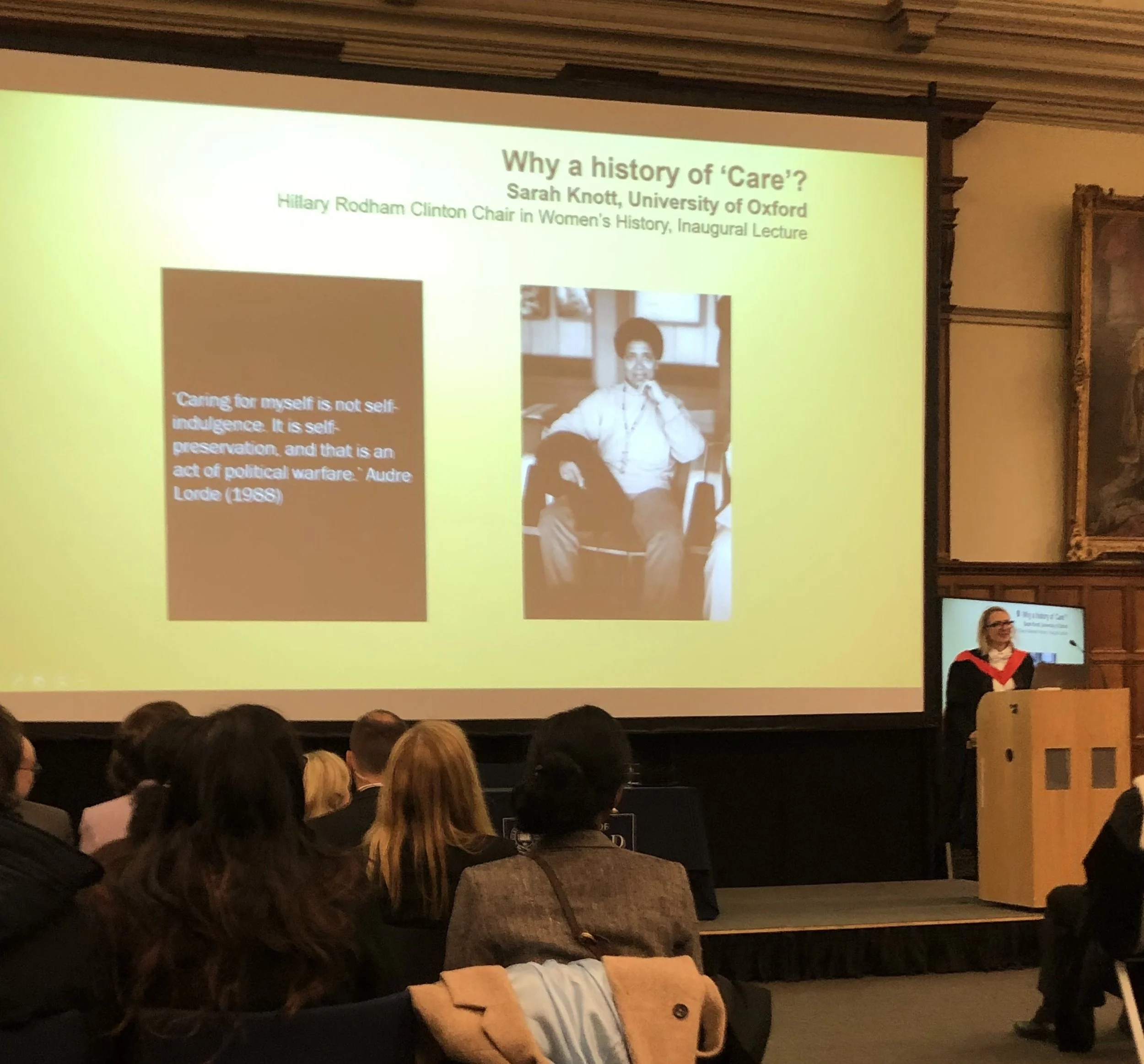
It was a great honour, and very inspiring, to go last week to hear Sarah Knott give her inaugural lecture as Hillary Rodham Clinton Chair in Women's History at Oxford University (a Chair established at the University in 2020 to mark the centenary year of the admission of women to degrees at Oxford). I’m excited to see what Sarah’s incisive and innovative thinking on the history of women, gender and reproduction is going to add to the study of history at Oxford. The audience was buzzing after her lecture on the emergence of ‘care’ as a liberatory feminist concept in the 1980s. It felt as though the Examination Schools, where the lecture was held, was witnessing something very new and emancipatory.
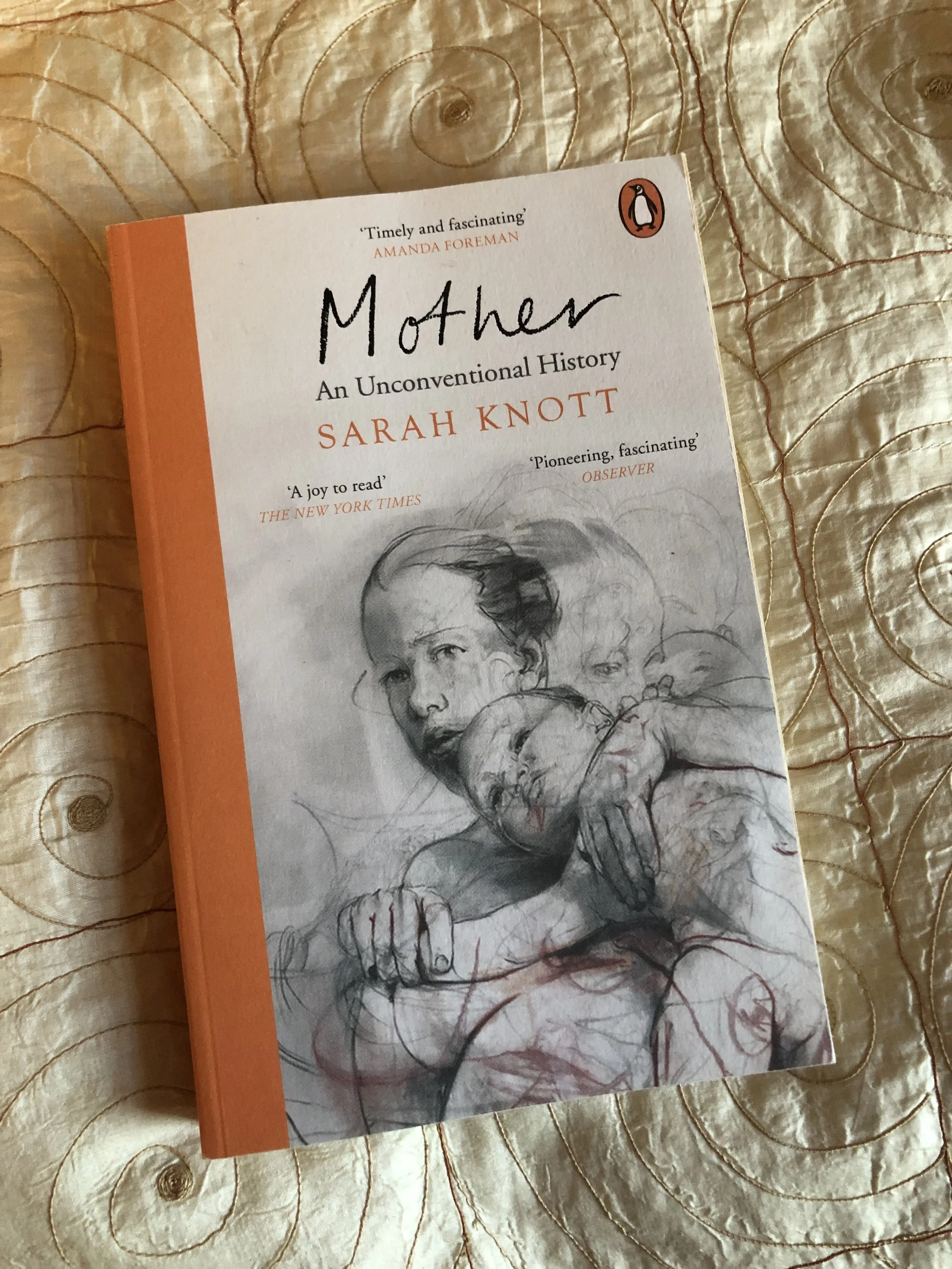
When Sarah and I were working together on her book Mother: An Unconventional History (published in 2019 by Viking in the UK and Farrar Straus & Giroux in the US – where the title is Mother Is A Verb) it was so refreshing to me to be reading history writing that drew on embodied experience, the fragmentary, the unwritten-down, what you understand from objects (scraps of cloth, a cradle, a discarded photo) – an approach beautifully encapsulated by the use of one of Jenny Saville’s drawings on the cover.
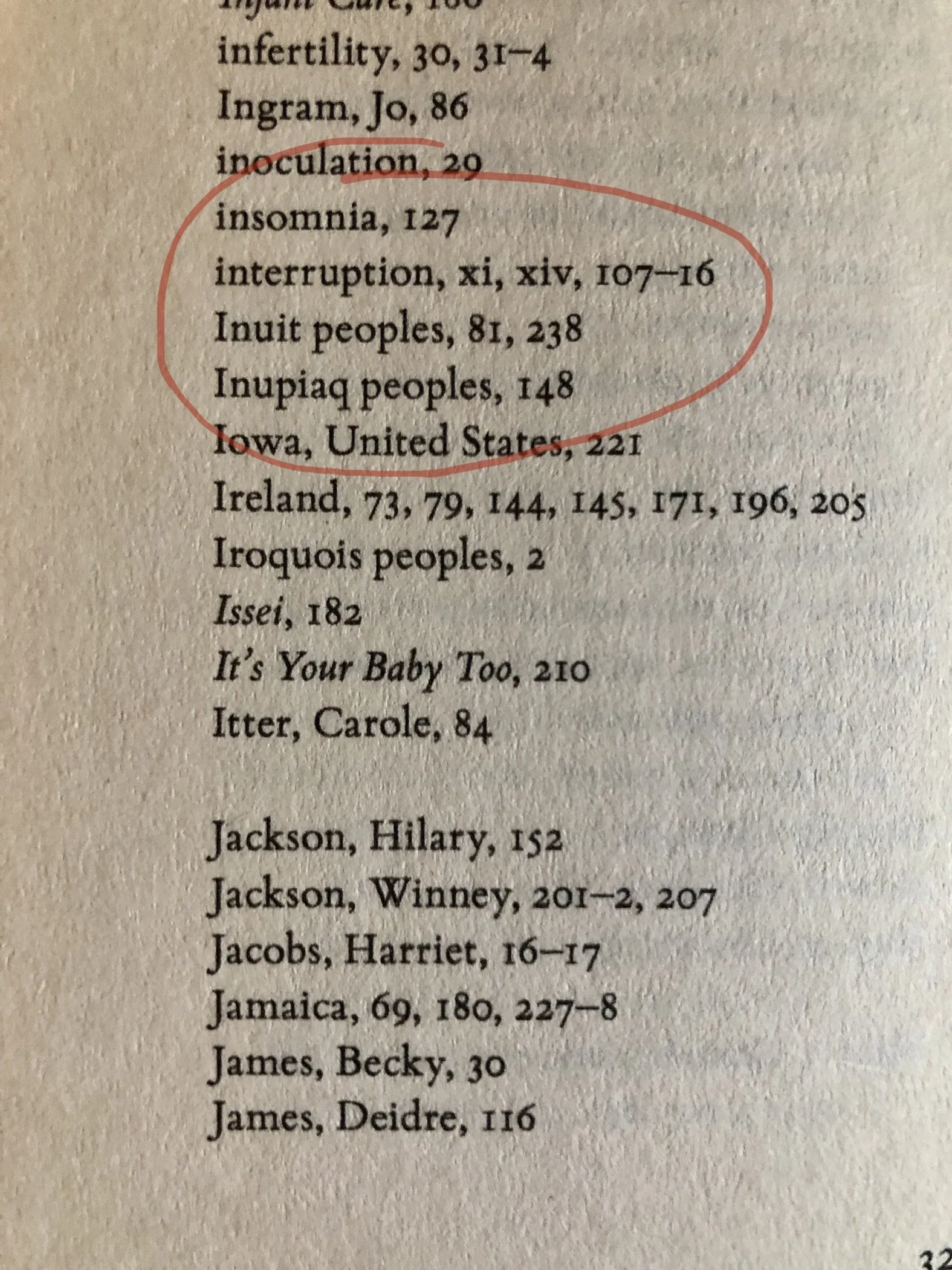
This is a book where the history of ‘interruption’ plays such an important part that it has its own entry in the index.
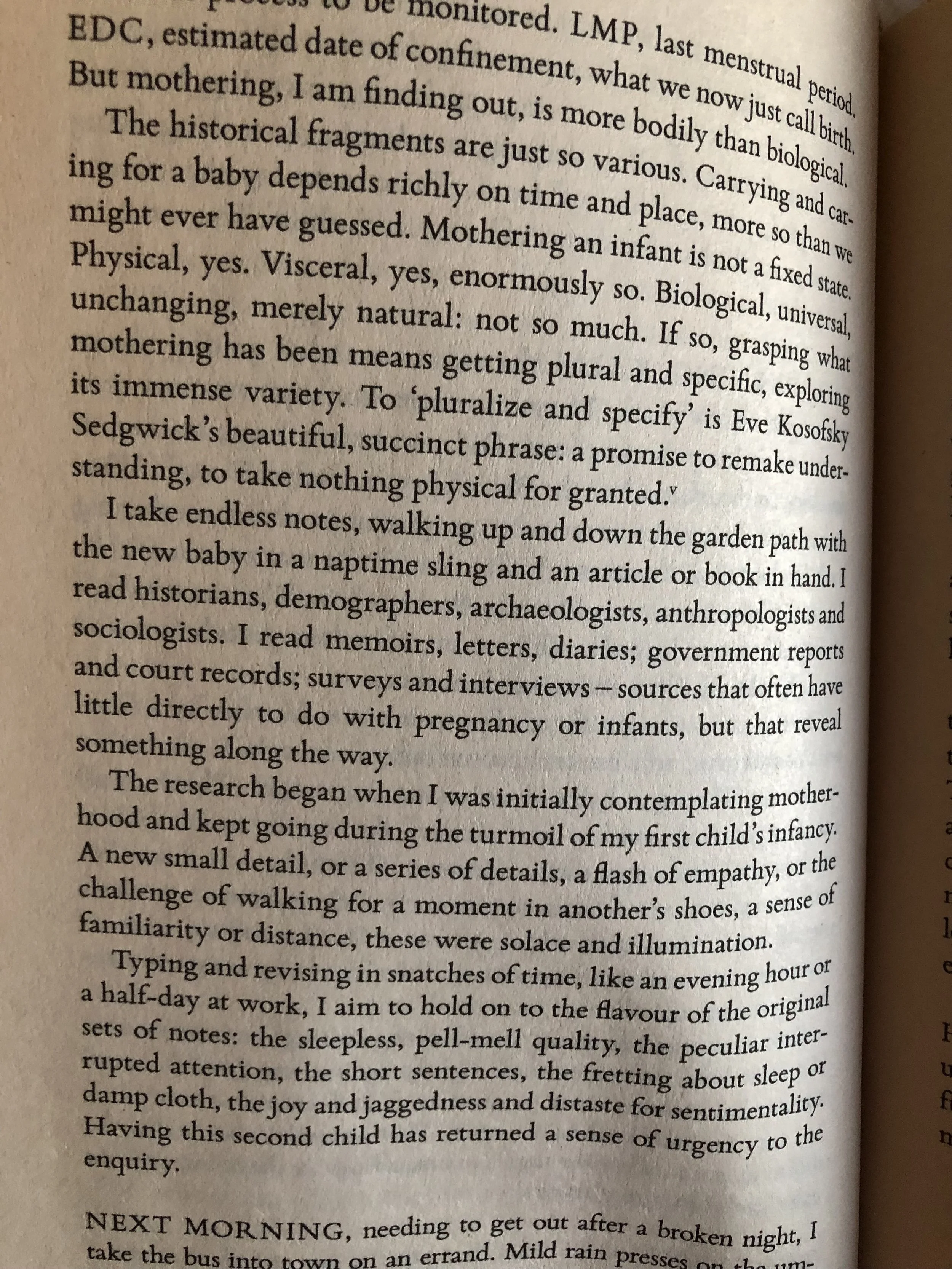
In her lecture, Sarah talked about ‘sweaty’ concepts in relation to an intellectual history of ‘care’: concepts created out of empirical, lived experience. You can see these at work in Mother. Here’s a passage I like from the Introduction:
Sarah is based at St John’s College, where there was a formal dinner (attended by Hillary Clinton herself) in celebration of the Chair, and to mark the importance of such a prestigious chair existing at an otherwise perilous time for scholars of gender and reproduction.
Sarah was until recently based at Indiana University, as well as being a fellow of the Kinsey Institute there, and it was moving to see how important it was for her American colleagues to have their research celebrated by Oxford in this way. Across two days, there was a programme of events around the lecture – organised in collaboration with the History Faculty and the Centre for Women's, Gender and Queer Histories – which explored various aspects of Sarah’s work, including a roundtable discussion that brought her together with colleagues from the Kinsey Institute to think about it means for a research centre to serve as a ‘safe repository’ of knowledge and materials relating to sexuality, gender, and reproduction.
In the meantime, Sarah and I had some very fertile conversations about what her next book will be. Watch this space.